


Introduction: The Timeless Romance of Stargazing
Few experiences rival the profound intimacy of lying beneath a vast starlit sky with someone special. When you search for "stargazing date night," you're seeking more than just astronomical observation—you're searching for the kind of romantic experience that transcends ordinary dating and creates memories worthy of the universe's grandeur. Stargazing dates offer something increasingly rare in our digitally saturated world: genuine presence, meaningful silence, and connection through shared wonder.
The appeal of stargazing as a romantic activity stems from its unique combination of intimacy, conversation facilitation, and cosmic perspective. When you look up at stars millions of light-years away, trivial concerns fade while appreciation for the moment intensifies. This astronomical perspective creates natural conditions for deepening emotional bonds, honest conversation, and the kind of authentic connection that modern dating often struggles to achieve.
This comprehensive guide covers everything you need to know about planning and executing perfect stargazing date nights. From selecting ideal locations and essential supplies to conversation starters and weather contingencies, we provide the detailed guidance that transforms good intentions into unforgettable experiences. Whether you're planning a first date or seeking to rekindle romance in an established relationship, stargazing offers unparalleled opportunities for genuine connection.
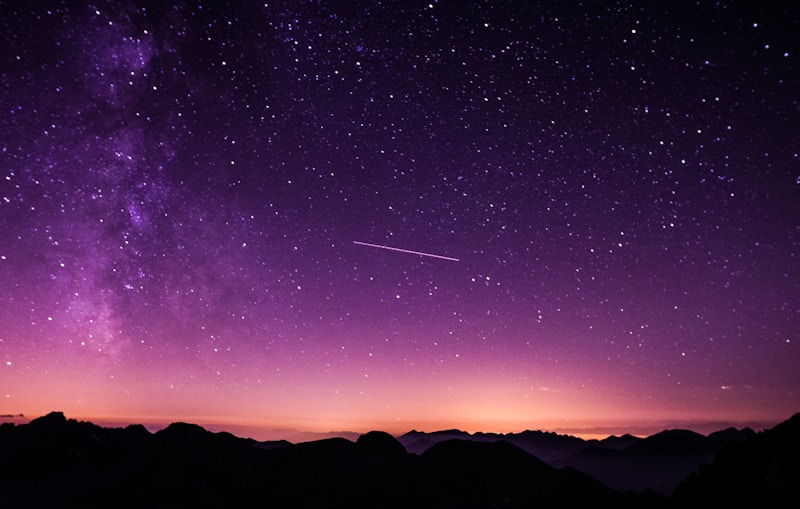
The universe has been inspiring human connection since the dawn of consciousness. Now it's your turn to harness that cosmic energy for romantic purposes. Let's explore how to create stargazing dates that literally take your relationship to new heights.
Why Stargazing Creates Unforgettable Romantic Connections
The Psychology of Shared Astronomical Wonder
When humans experience awe—the emotional response to perceiving something vast that challenges our framework for understanding—several neurological processes activate that enhance social bonding. Stargazing reliably triggers awe through the perception of infinite space, ancient light, and cosmic scale. Importantly, research demonstrates that awe experiences increase prosocial behavior, generosity, and sense of connection to others. A stargazing date essentially hacks your neurological systems to enhance romantic connection.
The physical positioning during stargazing—lying side by side, heads tilted toward the sky—creates a unique intimate configuration. Unlike seated面对面 conversations that demand constant eye contact, stargazing allows comfortable parallel positioning where you can speak or remain silently present without pressure. This positioning feels less performative and more naturally intimate than almost any other date activity.

The darkness itself contributes significantly to romantic atmosphere. Low-light environments reduce appearance consciousness, allowing personality and authentic self to emerge more freely. Voices become softer, movements more gentle, and overall atmosphere more conducive to intimate exchange. The darkness also creates natural physical proximity when sharing viewing equipment or blankets, providing legitimate reasons for touching that might otherwise feel forced.
Stargazing as Conversation Catalyst
The night sky provides endless conversation fuel that arises naturally rather than feeling interrogative. Unlike coffee shop dates where you must manufacture topics from scratch, stargazing offers built-in prompts: identifying constellations, discussing space exploration history, imagining other worlds, contemplating existence meaning, sharing childhood astronomy memories, and speculating about the universe's infinite mysteries.
These astronomical conversation topics share important qualities: they require no special expertise to participate, they allow for unlimited depth or surface-level engagement based on preference, they naturally introduce vulnerability through philosophical discussion, and they create shared vocabulary and references that become relationship inside jokes and memories. A couple who stargazed together develops a unique bond through shared astronomical experiences that future conversations can reference.
Essential Planning Guide for Perfect Stargazing Dates
Location Selection: Finding Your Perfect Sky View
The difference between successful and disappointing stargazing dates often comes down to location selection. Ideal stargazing spots share several characteristics: minimal light pollution, clear horizon views in all directions, comfortable seating or lying options, privacy from strangers, accessibility for your transportation situation, and scenic daytime appeal in case you arrive before full dark.
Premium Stargazing Locations:
- Designated Dark Sky Preserves – Areas certified for minimal light pollution by International Dark-Sky Association, offering genuinely dark skies with visible Milky Way
- State and National Parks – Remote locations away from campground lights, often with elevated positions providing panoramic views
- Private Rural Properties – Friend's countryside homes, farm stays, or rural vacation rentals eliminate stranger concerns entirely
- Beach Locations – Ocean horizons provide exceptionally clear views, though sand can be cold and uncomfortable
- Mountain Elevation Sites – Higher altitude means less atmospheric interference and often clearer skies
Urban Stargazing Alternatives:
If truly dark skies aren't accessible, don't abandon stargazing ambitions entirely. Urban stargazing works for bright celestial objects like planets, the Moon, and the brightest stars. Choose rooftop venues with minimal nearby light sources, time your date around major astronomical events (meteor showers, planetary conjunctions, full moons), and lower expectations appropriately while focusing on the romantic atmosphere rather than astronomical detail.
Essential Supplies for Stargazing Dates
Proper preparation prevents the kind of minor discomforts that can derail otherwise perfect dates. Temperature drops significantly after sunset, ground surfaces become uncomfortable for extended lying, and thirst or hunger can distract from astronomical focus. Pack thoughtfully to ensure comfort without overburdening romantic atmosphere.
Comfort Essentials:
- Blankets andPadding – Multiple layers including foam pads, blankets, and one waterproof outer layer
- Warm Clothing – Layers that can be added or removed as temperature changes, hats and gloves for coldest conditions
- Thermos with Hot Drinks – Coffee, hot chocolate, or mulled wine helps maintain warmth and provides activity
- Snacks – Easy-to-eat finger foods that don't require attention away from the sky
- Red Flashlight – Preserves night vision while allowing safe navigation
Enhancement Items:
- Star Charts or Apps – Physical planispheres or downloaded astronomy apps for constellation identification
- Binoculars – More approachable than telescopes for beginners, excellent for Moon detail and star clusters
- Portable Speaker – For appropriate background music that enhances rather than distracts from atmosphere
- Camera with Tripod – Astrophotography opportunities create shared experiences and memorable artifacts
- Bug Spray – Essential for warm-weather stargazing to prevent distraction and discomfort
Timing and Weather Considerations
Successful stargazing requires balancing multiple timing factors. Lunar phase significantly affects sky darkness—new moon periods provide darkest skies for Milky Way viewing, while full moons provide beautiful lunar observation but wash out dimmer stars. Check moon phases when planning and choose timing based on your astronomical priorities.
Weather prediction accuracy drops significantly beyond five days, so maintain flexibility in your plans. Partial cloud cover can actually enhance stargazing by creating dynamic atmospheric conditions, but persistent cloud cover ruins the experience entirely. Have indoor backup plans ready, consider planning stargazing as part of longer dates where sky viewing supplements other activities, and be willing to reschedule when conditions don't cooperate.
Romantic Stargazing Activities for Every Personality
For the Astronomically Curious
If you or your date find space genuinely fascinating, lean into that curiosity with activities that deepen astronomical engagement. Plan your date around specific astronomical events—satellite passes, planet oppositions, meteor shower peaks—and build anticipation leading to the main event. Learn the major constellations beforehand so you can share knowledge naturally rather than fumbling through charts during the date itself.
Consider bringing binoculars or renting a telescope to enhance observation capabilities. Even modest equipment dramatically improves lunar and planetary viewing, transforming bright points of light into detailed celestial objects. Bring guide materials that help identify deep-sky objects visible with your equipment, creating structured learning experiences that build connection through shared discovery.
For the Philosophically Inclined
If deep conversation appeals more than astronomical detail, use the cosmos as a springboard for philosophical exploration. The vastness of the universe naturally invites contemplation of existence meaning, consciousness nature, humanity's place in cosmic order, and the ephemerality of human concerns against astronomical timescales. These discussions create vulnerability and intimacy that surface-level conversations rarely achieve.
Prepare thought-provoking questions in advance: What would you want humanity to know if we made contact with extraterrestrial intelligence? If you could send a message to any point in history or future, what would it say? How does understanding astronomical scale change your perspective on daily concerns? These questions work better than generic philosophical discourse because they're grounded in the shared astronomical context.
For the Adventure Enthusiast
Adventure-oriented couples can incorporate stargazing into more active outdoor experiences. Plan hikes that culminate at stargazing spots, arriving before sunset to enjoy the landscape during golden hour before transitioning to night sky viewing. This approach provides full-day adventure with romantic culmination, making the stargazing part of larger shared experience rather than standalone activity.
Consider combining stargazing with camping for extended adventure dates. Backcountry locations accessible only by hiking provide exceptional darkness and complete privacy. Building a fire for warmth and cooking, setting up camp together, and falling asleep under stars creates bonding experiences that day trips cannot match. This approach works particularly well for established relationships where you're ready to spend extended time together.
For the Creatively Inspired
If creative expression appeals to you or your date, incorporate artistic activities into stargazing. Bring sketchbooks for constellation drawing, challenge each other to write poems inspired by the night sky, photograph the experience together, or create playlists that capture astronomical mood. These creative activities provide structure that some people need while still maintaining stargazing's romantic atmosphere.

The night sky has inspired human creativity since the earliest cave paintings. Tap into that ancient creative energy by using astronomical observation as muse for contemporary artistic expression. Shared creative experiences create relationship artifacts—drawings, poems, photographs—that become treasured memories of your stargazing connection.
The Complete Stargazing Date Playbook by Relationship Stage
First Date Stargazing: Building Foundation Under the Stars
Stargazing can work brilliantly for first dates if approached appropriately. The key is balancing romantic atmosphere with safety and comfort considerations that first dates require. Choose accessible locations with other people nearby rather than remote isolation, plan for moderate duration (2-3 hours maximum), maintain conversation focus rather than astronomical obsession, and ensure easy exit options if either party feels uncomfortable.
First date stargazing works best when you're genuinely interested in astronomy or philosophy rather than trying to manufacture romance artificially. The shared wonder of astronomical observation creates natural conversation without forced intimacy. Use constellation identification as low-pressure interaction, share childhood memories of stargazing, and let the cosmic context provide permission for deeper conversation than typical first dates allow.
Second and Third Date Stargazing: Deepening Connection
By the second or third date, you've established basic compatibility and can handle more intimate stargazing situations. Choose progressively darker, more remote locations as trust develops. Plan longer dates that include stargazing as centerpiece within larger romantic experiences—dinner under stars, sunset-to-stargazing transitions, or pairing stargazing with other intimate activities.
This relationship stage allows more vulnerable conversation. The astronomical context provides perfect framing for discussing big topics: life goals, relationship expectations, personal values, and vision for the future. Use the night sky's cosmic perspective to explore questions you might find too intense in ordinary contexts. "Looking at stars millions of years old makes me wonder what we'll be doing together in ten years..." opens genuine relationship discussion without feeling like interrogation.
Established Relationship Stargazing: Rekindling Romance
Long-term couples often struggle to maintain romantic connection as daily routines take over. Stargazing offers powerful rekindling opportunities precisely because it's different from ordinary relationship patterns. Plan surprise stargazing dates that break routine, recapture the excitement of early dating when you planned special occasions together, and remind each other why you chose this partnership.
Consider planning annual stargazing anniversaries that mark relationship milestones astronomically. Returning to your first stargazing location each year, repeating special moments, and adding new traditions creates powerful relationship continuity. Some couples mark important dates with astrophotography—documenting the sky on anniversaries, creating visual relationship timeline that literally spans the cosmos.
Finding Your Stargazing Partner on MixerDates
Stargazing's romantic potential can only be fully realized when you share it with someone special. Finding that person—the one who will appreciate pointing out constellations, who will engage with philosophical contemplation, who will snuggle close under shared blankets—requires connecting with like-minded individuals before the date even begins.
MixerDates provides precisely this opportunity through personality-first matching that goes beyond appearance to identify genuine compatibility. When you express interest in stargazing on your profile, MixerDates connects you with others who share astronomical appreciation. This pre-connection means your first stargazing date with a MixerDates match already has foundation for meaningful conversation.
The platform's emphasis on authentic interaction before meeting creates optimal conditions for relationship development. Unlike apps that push quick meeting and superficial assessment, MixerDates encourages the kind of substantive conversation that stargazing requires. By the time you suggest stargazing dates, you've already established intellectual compatibility, making astronomical observations supplements rather than foundations for connection.
MixerDates also celebrates the diverse ways people connect. Whether you're looking for partners who share specific cultural approaches to romance, seeking connections that span different backgrounds, or wanting to explore how different traditions approach intimacy and connection, MixerDates provides welcoming space for everyone. Your eventual stargazing date becomes more meaningful when you're sharing cosmic wonder with someone who understands and appreciates your full authentic self.
Ready to find someone special for your next stargazing adventure?
Celestial Love Stories: Real Couples Who Found Connection Under the Stars
David and Wei: Finding Unity Through Cosmic Perspective
David, a 35-year-old science teacher of European descent, had always used astronomy as a lens for understanding connection. When he joined MixerDates, his profile emphasized stargazing as both hobby and philosophy. Wei, a 32-year-old physicist of Chinese descent, was drawn to the cosmic perspective David shared—the idea that looking at ancient starlight put personal concerns in healthy perspective while simultaneously making human connection more precious against infinite space.
Their first date at a dark sky park in the mountains was planned around a meteor shower peak. They arrived early to secure good viewing position, brought elaborate supplies including telescopes and hot thermoses, and spent five hours under increasingly spectacular skies as the meteor shower intensified. The experience exceeded both expectations dramatically.
"That night under the stars put everything in perspective," Wei reflects. "We talked about how incomprehensibly vast the universe is, and somehow that made us feel more connected rather than less. If consciousness can emerge from cosmic dust and create beings who can appreciate starlight, then surely two people from different backgrounds can build something beautiful together. The meteor shower felt like the universe celebrating our beginning." They married eighteen months later, with stargazing incorporated into their ceremony decoration theme.
Amara and Luis: Building Bridges Across Worlds
Amara, a 27-year-old aerospace engineer of Nigerian descent, and Luis, a 30-year-old musician of Mexican descent, met on MixerDates during a period when both were questioning whether finding genuine connection was realistic. Their shared profile interests in both space exploration and cultural exploration created immediate conversation foundation. Their first date combined both passions perfectly.
They planned a progressive date beginning at a planetarium show about indigenous astronomical traditions—Mexican and African star knowledge was featured—and continued to a rooftop bar with telescopes available for guest use. The evening became a journey through different cultural approaches to cosmic wonder while simultaneously exploring their personal connection.
"We realized we were both searching for something bigger than ordinary dating," Amara explains. "Both of us had been raised with the sense that connection should mean something—that relationships were about building something together, not just surface-level entertainment. The planetarium show was perfect because it showed us how different cultures found the same stars meaningful in different ways. We wanted to build our own cultural fusion relationship traditions, and the stars seemed like the perfect foundation." They continue annual stargazing trips as anniversary celebration, adding new locations and traditions each year.
5 Critical Mistakes to Avoid on Stargazing Dates
Mistake #1: Insufficient Weather Contingency Planning
Few things disappoint like a perfectly planned stargazing date ruined by clouds that couldn't be predicted. While you can't control weather, you can control preparation. Never plan stargazing as your only date activity—always have indoor backup options. Check weather obsessively in final days, maintain flexibility about timing, consider multiple potential dates rather than a single fixed plan, and communicate openly about willingness to reschedule if conditions aren't favorable.
Mistake #2: Underestimating Cold and Discomfort
Even warm summer nights can become surprisingly cold after midnight, and spring or fall evenings regularly dip far below comfortable levels. New stargazers consistently underestimate temperature, arriving inadequately prepared and spending the date distracted by cold rather than present with their partner. Layer aggressively, bring more blankets than seems necessary, prepare hot beverages, and prioritize warmth over looking cute.

Mistake #3: Overemphasizing Astronomy Over Connection
It's called a stargazing DATE, not an astronomy lesson. New astronomy enthusiasts sometimes make the mistake of trying to share too much technical knowledge, turning dates into educational lectures rather than romantic experiences. Know your audience—some dates genuinely want constellation details while others want romantic atmosphere with minimal technical content. Read your partner's interest level and adjust accordingly.
Mistake #4: Choosing Unsafe or Uncomfortable Locations
The darkest, most astronomically perfect locations aren't always the best romantic choices. Consider safety, accessibility, and comfort alongside sky quality. Isolated locations might provide perfect darkness but create legitimate safety concerns, especially for early dates when you don't know each other well. Balance astronomical quality with practical relationship considerations.
Mistake #5: Neglecting Phone and Device Management
Phone screens destroy night vision instantly, disrupting the delicate dark adaptation that makes astronomical observation rewarding. Even brief phone checks eliminate minutes of dark adaptation, requiring extended time to restore optimal vision. Establish clear expectations about phone use before stargazing begins—agree on limited usage, use red-light mode when necessary, and commit to presence over documentation.
Frequently Asked Questions About Stargazing Date Nights
What if my date doesn't know anything about astronomy?
Don't worry! Stargazing dates don't require astronomical expertise. You don't even need to identify constellations correctly—what matters is sharing the experience together. Focus on the romantic atmosphere, philosophical conversation, and emotional connection rather than demonstrating knowledge. If your date wants to learn, that's wonderful, but never make expertise a prerequisite for enjoying the night sky's beauty.
How long should a stargazing date last?
Stargazing dates can range from quick hour-long Moon viewing sessions to all-night adventures. For most romantic purposes, 2-4 hours provides ideal duration—sufficient time to observe multiple celestial objects, engage in meaningful conversation, and develop intimacy without exhausting either party. Plan for some flexibility based on weather, company chemistry, and astronomical events occurring during your viewing window.
Is stargazing appropriate for first dates?
Stargazing can work for first dates with appropriate precautions. Choose accessible, populated locations rather than isolated areas. Plan moderate duration rather than committing to all-night sessions. Ensure both parties genuinely want astronomical or romantic atmosphere rather than feeling pressured into unusual situations. When done thoughtfully, stargazing provides memorable first date experiences that set relationships apart from typical coffee or dinner meetings.
What should I bring on a stargazing date?
Essentials include comfortable lying options (blankets, pads), warm layers, red flashlight for navigation, beverages and snacks, star charts or apps, and phone for emergency purposes only. Enhancement items include binoculars or telescopes, comfortable seating alternatives, portable speakers for appropriate background music, cameras for astrophotography, and bug spray for warm-weather dates.
What if it's cloudy on my planned stargazing date?
Clouds don't have to ruin your romantic plans! Have backup indoor options ready—planetarium visits, astronomy museum evenings, rooftop bars with domes, or simply romantic dinner with window views followed by cloud-watching conversation. Don't force outdoor stargazing in poor conditions—responsible weather contingency planning actually demonstrates maturity and consideration rather than lack of commitment.
Looking for someone special to share your next stargazing adventure?