


How to Meet Someone at Coachella: A Guide to Authentic Festival Connections
Yes, you can absolutely meet someone at Coachella, but it's less about chance and more about creating the right conditions for a real connection. Forget the pressure of finding a date; think of it as finding your people in the crowd. The desert festival, with its massive scale and curated chaos, can feel like the ultimate paradox: surrounded by thousands of people, yet feeling completely alone. This guide moves beyond generic advice to give you a genuine blueprint—one built on real stories and a mindset for meaningful interaction—to turn that shared experience into something lasting.
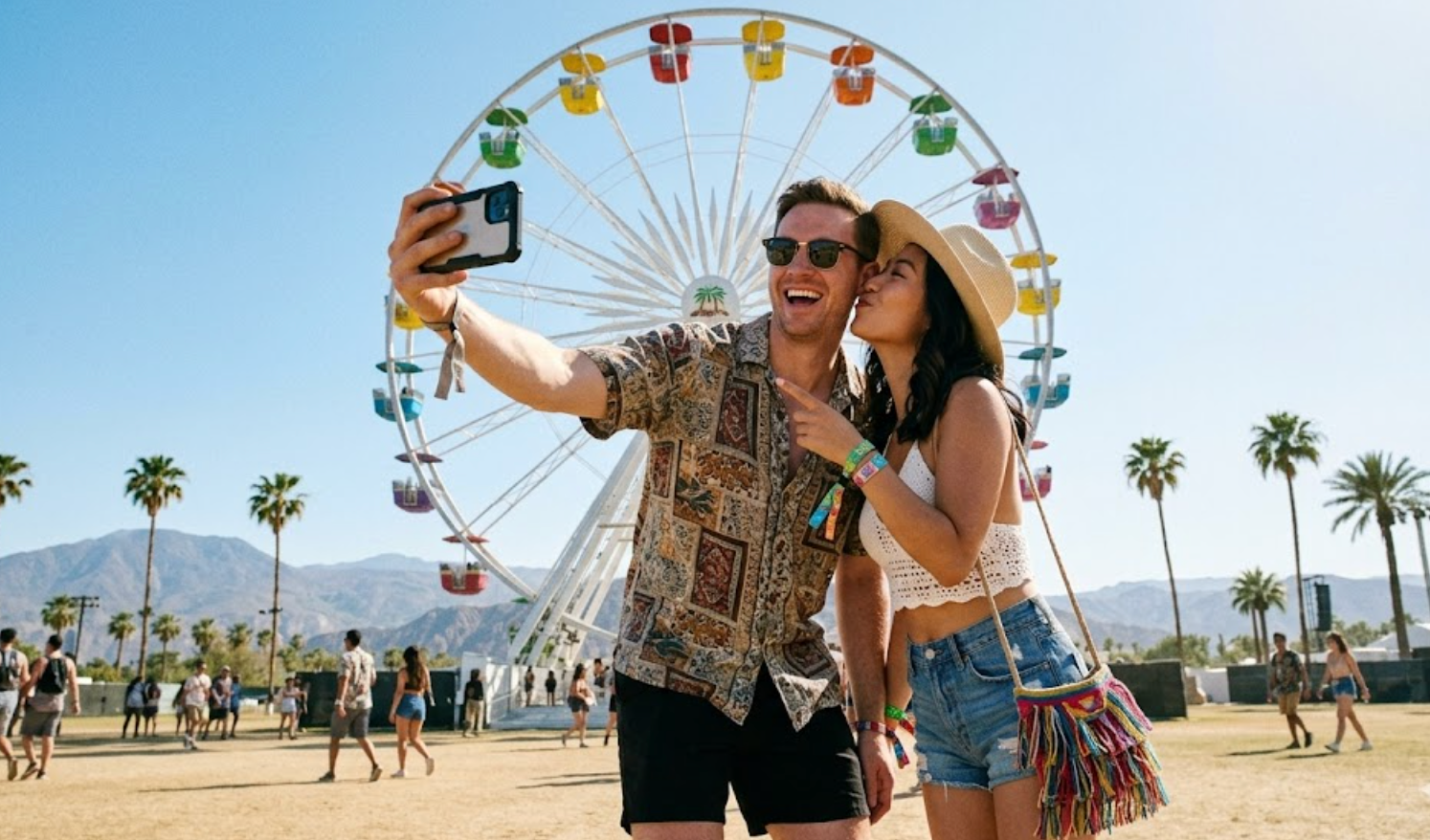
You've got your outfits planned, your hydration pack is ready, and your phone is charged to 100%. But that other hope, the one for a spark of real connection amidst the sea of people, feels a bit like a lottery ticket. It's the same weird feeling you get with dating apps: an overwhelming abundance of faces, yet a deep sense of potential isolation. You wonder if a true conversation is even possible anymore, or if we're all just performing for the invisible audience of our own social feeds.
The old advice—"just be yourself!" and "put yourself out there!"—feels pretty hollow when you're standing in a field with 100,000 strangers. The noise isn't just sonic; it's social. The scale is intimidating. And let's be honest, the whole vibe can feel performative. It mirrors that modern mental exhaustion perfectly: always being visible but rarely feeling truly seen. This isn't about adding another follower or a fleeting Instagram story. It's about that human desire to share a profound, beautiful moment with another soul and have them get it.
Table of Contents
- Beyond the Filter: Real Coachella Connection Stories
- Your Coachella Connection Blueprint: Mindset & Strategy
- Navigating the Solo Journey & Festival Challenges
- Your Coachella Connection Questions, Answered
- From Desert Moments to Lasting Connection
Beyond the Filter: Real Coachella Connection Stories
Let's start by quieting the noise and listening to what actually works. These aren't fairy tales; they're real interactions that highlight how authenticity, not performance, leads to depth.
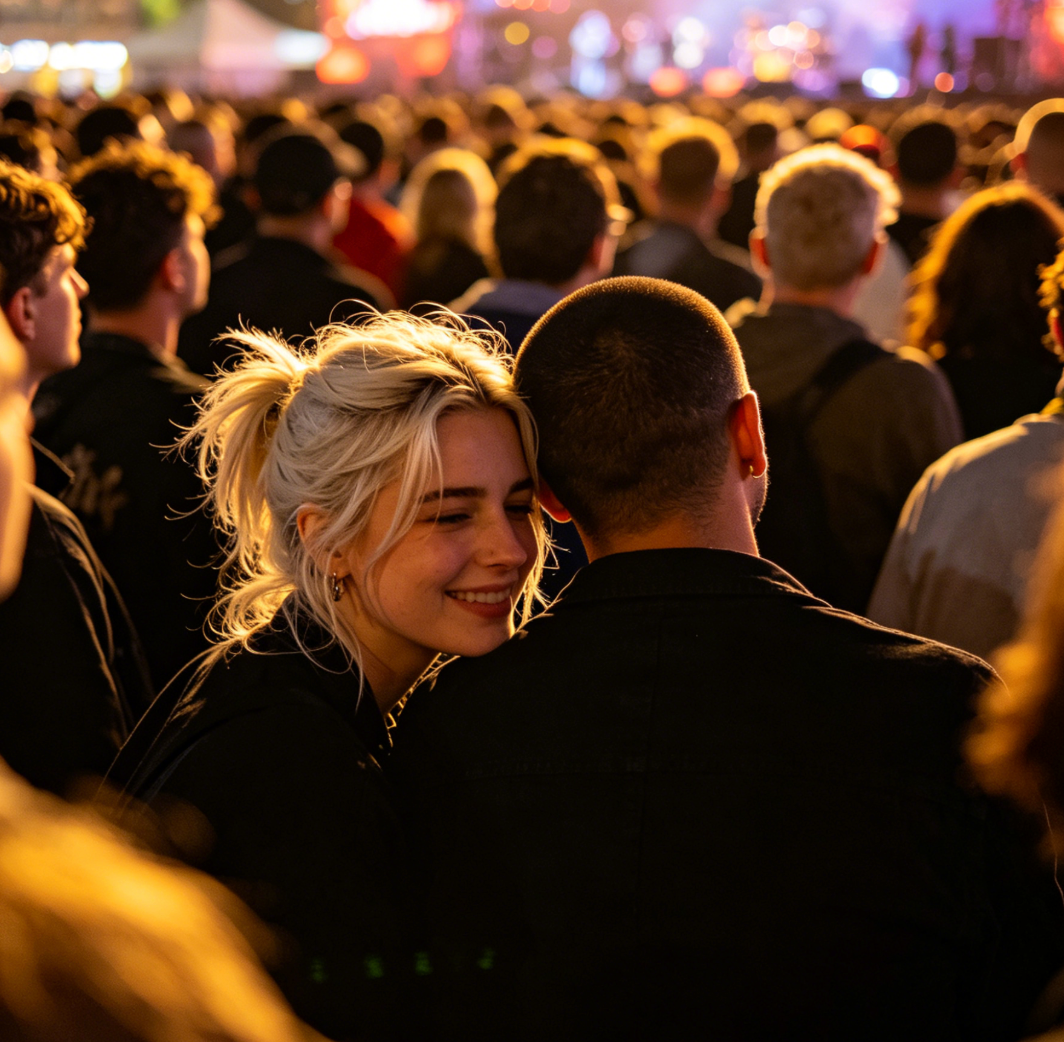
The Campground Sunrise Conversation
Sarah went solo, partly for the adventure, partly because her friends bailed. On the first morning, sleep-deprived and hunting for coffee, she stumbled into a line at a campsite brew station. Next to her, Mark was in a similar state. Instead of just staring at phones, one mumbled comment about "life-saving caffeine" turned into sharing a patch of grass. Their talk didn't start with the headliners; it started with why they came solo, the nerves, the freedom. They talked about a smaller indie act they both loved, the one you have to really be into music to know. That shared, unpretentious moment—the antithesis of the main stage spectacle—built a bond that lasted well beyond the festival gates. The takeaway? The most powerful connections often start in the quiet, in-between spaces, not the loudest ones. It's about showing up as your tired, hopeful, real self.
The Collaborative Art Installation Bond
At a large, interactive art piece where you could add your own painted tile, Leo found himself holding a brush next to Aisha. It was messy, a bit chaotic, and required them to actually work together to not ruin the section. There was laughter over spilled paint, simple coordination ("You do the blue side"), and a complete lack of pretense. They weren't posing for a photo; they were doing something together. Their backgrounds were totally different—he was a teacher, she was a software engineer—but for that hour, those labels faded away. The connection was built on shared focus and mutual creation, not on interrogating each other's profiles. The lesson here: A shared activity is the ultimate conversation starter and bias-breaker. It gives you something to focus on together, taking the pressure off the interaction itself.
The Silent Disco Spark Where Words Mattered
Jenna and Carlos met in the middle of the silent disco, their headphones tuned to the same channel, dancing like no one was watching (because, technically, no one could hear their music). A grin was exchanged when a favorite deep-cut song came on. Later, seeking a break, they found themselves outside the dance area, headphones off, the sudden quiet feeling intimate. "That song you were dancing to… that's one of my all-time favorites," he said. That led to a deep dive into music genres, live show memories, and why that particular song mattered. The connection moved seamlessly from a shared, fun vibe to a focused, sincere exchange. Why this works: It transitioned from non-verbal, shared energy to verbal, shared substance. It prioritized conversation after establishing a connection.
Your Coachella Connection Blueprint: Mindset & Strategy
Mindset Reset: From Performance to Presence
This is the most important step. Walking into Coachella with the goal to "meet someone" can make every interaction feel like a test. Instead, shift your goal to experiencing the festival fully and being open to connections as they come.
- Ditch the Script: You don't need a clever opener. In fact, the best ones aren't "lines" at all. Practice environmental commenting. It's low-pressure, authentic, and observational. Instead of "You're cute," try "This art piece is incredible," or "The energy at this set is amazing," or even, "This line for the spicy pie is a commitment." You're making a comment about your shared reality, which is an instant common ground.
- Be Interested, Not Just Interesting: Let go of the need to impress. Your genuine curiosity about another person—what they're loving, who they're excited to see, where they're from—is far more attractive than a rehearsed monologue.
- Embrace the Solo Vibe (Even if You're Not Solo): Give yourself permission to wander, to be quiet, to soak it in. This internal quiet makes you more approachable and aware of opportunities. This mindset is the core of empowerment—it's taking control of your own experience instead of hoping someone else will make it for you.
Prime Locations for Unforced Interaction
Where you are matters as much as how you are. Seek out spaces designed for collaboration, rest, or slow movement. These environments do half the work for you.
| Location | Why It Works | Conversation Catalyst Example |
|---|---|---|
| Interactive Art Installations | Built for collaboration and shared wonder. Low-pressure, activity-focused. | "How does this thing even work? Want to try it together?" |
| Food & Drink Lines (The Long Ones) | Built-in waiting time, shared mild frustration/hope. Captive, casual audience. | "The wait for this ramen is legendary. Worth it?" |
| Chill-Out Zones / Hammock Areas | People are recharging, open to quiet chat. Softer energy than a dance floor. | "This is the recharge station. Smart move." |
| The Campgrounds (Morning & Late Night) | The "backstage" area. Less performative, more communal. People are in their element. | "That coffee smells like salvation. Where'd you get it?" |
| Sets for Niche or Lesser-Known Artists | Shared, specific taste creates instant tribe mentality. More room to move/talk. |
These spots mirror the design of intentional social spaces—they foster natural interaction because the context encourages it, removing the need for forced approaches.
The Art of the Follow-Up: Securing the Connection
You've had a great chat. Now what? The transition from "festival friend" to "potential real connection" requires a bit of graceful intention.
- Anchor it in Your Shared Moment: Don't just say, "Can I get your Instagram?" Tie the ask to what you just experienced. "I've loved talking about 90s shoegaze with you—I'd love to continue this after the dust settles. Can I give you my number?" This frames the exchange around sincerity and shared interest, not just social collection.
- Make a Specific, Low-Pressure Plan: Vague plans die in the post-festival exhaustion. Be gently specific. "I'm going to need a major detox coffee next Thursday. Want to join and debrief the whole thing?" This creates a soft accountability and shows you're thinking about the connection beyond the festival gates.
- Exchange Numbers Over Handles: A phone number for a text feels a bit more personal and direct for planning that follow-up coffee than a social media follow, which can get lost in the noise. Suggest it kindly: "It's easier to plan that coffee via text—can I give you my number?"
This follow-through is key. It's the commitment to moving a good moment toward a potential relationship, which is the entire point of seeking depth over just a vibe.
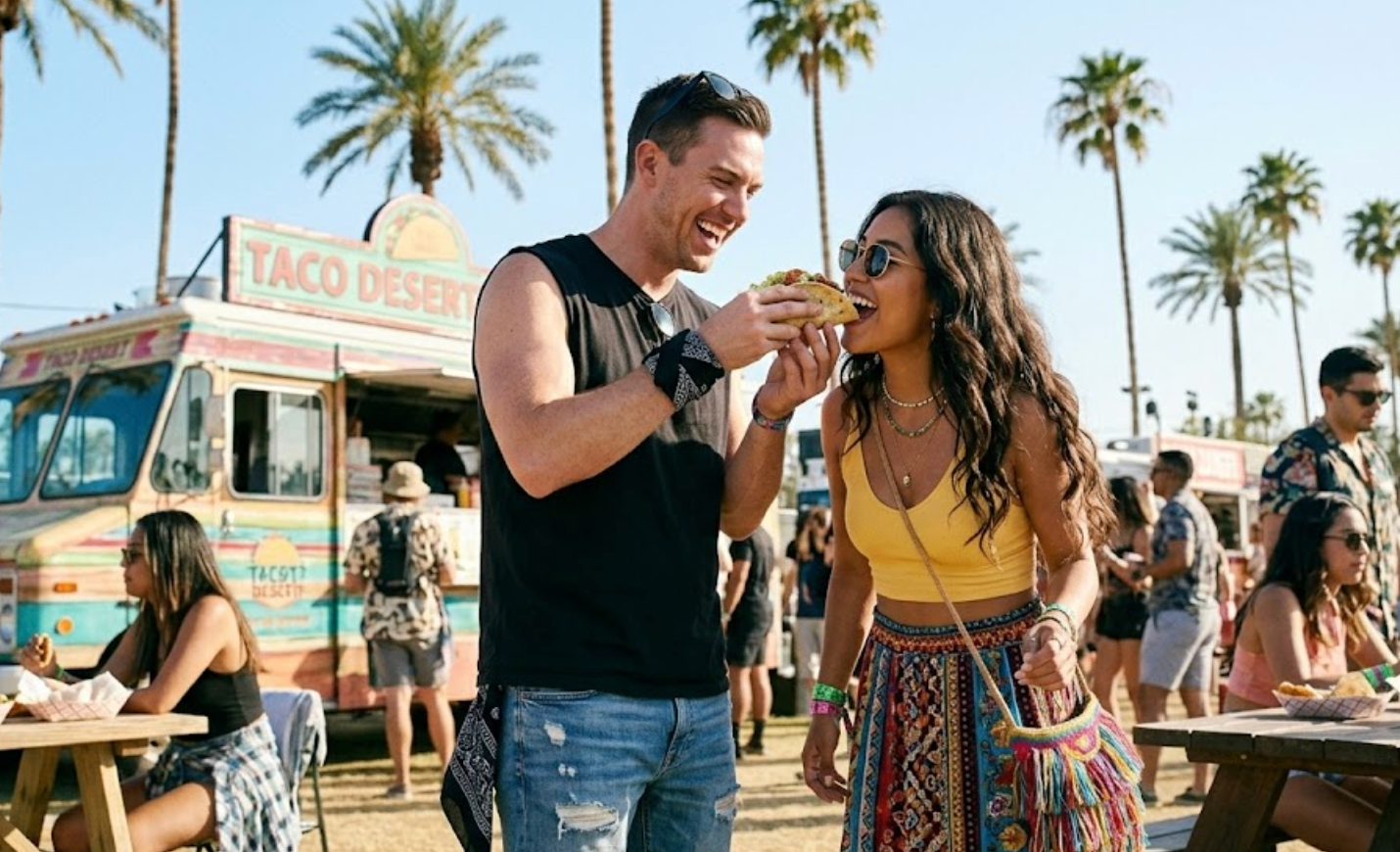
Navigating the Solo Journey & Festival Challenges
Let's address the real anxieties. Going solo, staying safe, and dealing with it if things don't go "to plan" are all part of the journey.
The Empowered Solo Attendee: A Guide to Confidence
Going alone can be the ultimate advantage for meeting people. You are mobile, approachable, and your intentions are your own.
- Reframe Your Goal: Set a simple, social goal like, "Have three meaningful conversations with new people today." Meaningful just means a chat that goes beyond "cool outfit."
- Join a Community: Look for organized group campsites or online forums for solo festival-goers before you go. Walking into a ready-made, friendly camp is a game-changer.
- Use Volunteering: Many festivals offer free tickets for volunteer shifts. This instantly puts you on a team with a shared purpose and a built-in social circle.
- Your Body Language is Key: Smile. Make eye contact. Stand in open stances, not hunched over your phone. Look around and take in your surroundings. You look engaged and open, not closed off.
This is empowerment in action: taking full, joyful ownership of your own experience and connections.
Safety, Boundaries & Respect: The Non-Negotiable Framework
Authenticity cannot exist without safety. This goes for everyone.
- Trust Your Gut: If something feels off, it is. You don't owe anyone your time or attention. A simple, "It was nice meeting you, enjoy your day!" is a complete sentence.
- Meet in Public, Stay in Public: The festival grounds are public. Keep initial interactions in these well-populated areas.
- Use the Buddy System: Even if you're solo, text a friend your location or share your live location with someone you trust. "Hey, chatting with some cool people near the Ferris wheel."
- Hydration & Sobriety are Your Superpowers: Being in clear control of your faculties is your number one safety tool and allows for genuine connection.
- Respect is a Two-Way Street: Read social and body language cues. If someone ends a conversation or turns away, let it go. The foundation of any high-quality connection is mutual respect.
When the Magic Doesn't Happen: Reframing the Experience
Maybe you don't meet your desert soulmate. That's more than okay—it's normal. The goal was never a guaranteed outcome; it was a richer experience.
- Value the Micro-Connections: That fun five-minute chat in line, the group you danced with for a set, the person who shared their sunscreen. These are all wins. They are practice in being open and present.
- You Had an Experience for You: You saw incredible art, heard life-changing music, and survived a weekend in the desert. That self-reliance and joy is a huge personal win.
- It's Data, Not Failure: Every interaction teaches you something about what you like, how you communicate, and what environments feel good. This is invaluable self-knowledge you take into the next concert, party, or date.
This is the heart of authenticity: valuing the true, unfiltered experience over the forced, fairy-tale outcome. The growth is in the trying, not just the triumph.
Your Coachella Connection Questions, Answered
Question: "Is Coachella just for hookups? Can you actually find something real there?"
Answer: The festival has every type of intention, and the hookup culture is visible. But genuine connections are absolutely possible—they just often start in different places. Look for them in the quieter, collaborative, or conversation-friendly spaces we talked about. It's about seeking depth, not just a vibe. This search for substance over surface is exactly why new ways of connecting are emerging.
Question: "I'm shy. How do I even start a conversation without seeming awkward?"
Answer: Use the environment as your co-conspirator. Comment on the music ("This bassline is unreal"), the art ("How do you think they built this?"), or the shared situation ("This is the best lemonade I've ever had, worth the wait"). It's low-pressure, authentic, and doesn't put the other person on the spot. It's the easiest way to bridge the gap from stranger to chat.
Question: "What's the best way to exchange info? Is it tacky to ask for an Instagram?"
Answer: Frame it around the connection you just made, not just collecting a handle. Try, "I'd love to continue that conversation about [the band, the art, the travel story] after this. Can I give you my number?" It feels specific, respectful, and focused on the sincerity of the interaction. It's about the person, not the profile.
Question: "Is Weekend 1 or Weekend 2 better for meeting people?"
Answer: It's about the vibe you want. Weekend 1 has more "see-and-be-seen," influencer-heavy energy. Weekend 2 tends to be more relaxed, with a crowd that's often more purely there for the music and the experience, which can lead to more organic, less performative interactions. Choose the environment that matches your authentic intention.
Question: "How do I avoid the 'post-Coachella fade' where the connection just dies?"
Answer: The antidote is specificity. Before you part ways, make a specific post-festival plan. "Let's grab a coffee next Wednesday to decompress" is a thousand times stronger than "Let's hang out sometime." It creates a tangible next step and shows you're both invested in seeing the connection through. This intentional planning is the opposite of vague digital fading.
From Desert Moments to Lasting Connection
The hope you carry to Coachella isn't trivial. It's the human desire to share a profound experience with another soul—to find a resonant echo in all that beautiful noise. That desire doesn't end when the last set finishes. In fact, it's often amplified. You return to the "real world" remembering what real, spontaneous, present conversation felt like, and the curated feeds and swiping feel even more hollow.
You now have more than hope. You have the stories that prove it's possible. You have the strategic blueprint to create your own opportunities. The final ingredient is your own intentional self—showing up present, open, and grounded in your own authenticity.
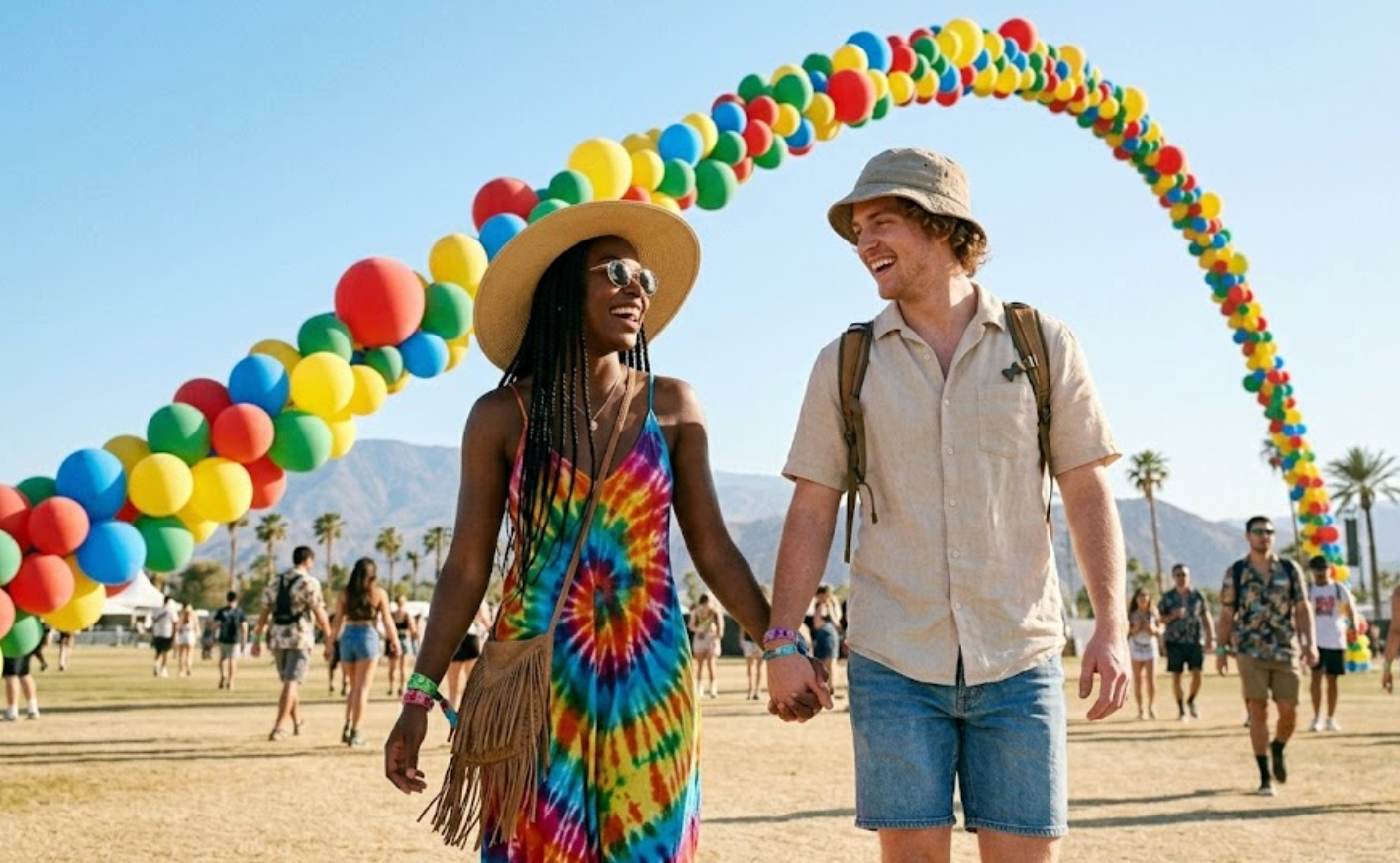
If you're ready to carry this mindset beyond the festival gates—to seek out connections where authenticity is the starting point, depth is the goal, and your intention is met with respect—then the next step is about finding the right environment for that to happen consistently.
The truth is, architecting these moments shouldn't be a once-a-year effort reserved for a desert trip. What if you could find that same sense of shared discovery, intentionality, and unfiltered conversation more often?
That's the space we've built. Imagine a community where the music is always on, the vibe is intentionally kind, and the connections start from a place of shared interest and sincere curiosity, not just a profile picture. A place designed to help those festival-level moments become your everyday standard for connection.
🔗 Ready to turn festival-level connections into your everyday reality? Join a community where the music never stops and authentic connections are always on the lineup. Find your tribe on MixerDates.