


Table of Contents:
What Is Armed Forces Dating?
The Raw Reality: What Makes Armed Forces Dating Different?
The Deployment Void and the "Experience Layer"
The Reintegration Paradox
The Civilian Perspective: Bridging the Gap
Signs You Are Compatible With the Military Lifestyle
Tactical Advice for Navigating Service Life
What Makes a High-Quality Military Dating Platform?
FAQs: Navigating the Ranks of Romance
Meet Someone Who Respects the Mission and the Person Behind It
What Is Armed Forces Dating?
Armed forces dating refers to relationships involving active-duty military personnel, veterans, and civilians navigating specific lifestyle challenges such as long-term deployments, Permanent Change of Station (PCS) relocations, unpredictable mission schedules, and the unique psychological transition from service to civilian life.
When we talk about armed forces dating, we’re talking about a lifestyle that is half "hurry up and wait" and half "everything just changed." It covers the unique romantic experiences involving active-duty personnel, veterans, and the civilians who find themselves navigating the military world alongside them.
Unlike standard dating, where the biggest hurdle might be finding a restaurant both people like, military relationships are dictated by variables that are often entirely out of your control. We’re talking about sudden deployments, the headache of a PCS move—the military's term for relocating to a new duty station—and the reality that your "date night" might be a 10-minute FaceTime call at 3:00 AM because of time-zone math.
The Raw Reality: What Makes Armed Forces Dating Different?
To someone on the outside, dating a service member can look like a series of cinematic homecomings. For those actually in it, it’s a test of emotional grit. According to military family support organizations, active-duty families commonly relocate every 2–3 years, creating repeated disruptions to careers, friendships, and daily routines.
The Deployment Void and the "Experience Layer"
Deployment relationships are the ultimate test of a bond. One of the hardest parts of military dating isn’t deployment itself—it’s the uncertainty. Many military relationship counselors report that communication consistency—even if it's just a quick "checking in" text—is often more important than the actual length of your phone calls.
The lifestyle requires a unique kind of flexibility: some couples get used to celebrating birthdays twice—once over a shaky deployment call, and again months later in person. For some, deployment means learning how to parent through screens. Others describe keeping a hoodie that still smells like their partner nearby during long rotations just to bridge the sensory gap.
The Reintegration Paradox
A surprising number of military couples say reintegration after deployment can feel emotionally harder than the deployment itself. Distance creates a "fantasy version" of your partner; when they return, you have to deal with the messy reality of two people living in one space again. Some couples discover they developed completely different routines while apart, and suddenly even sharing a kitchen again feels unfamiliar and frustrating.
The Civilian Perspective: Bridging the Gap
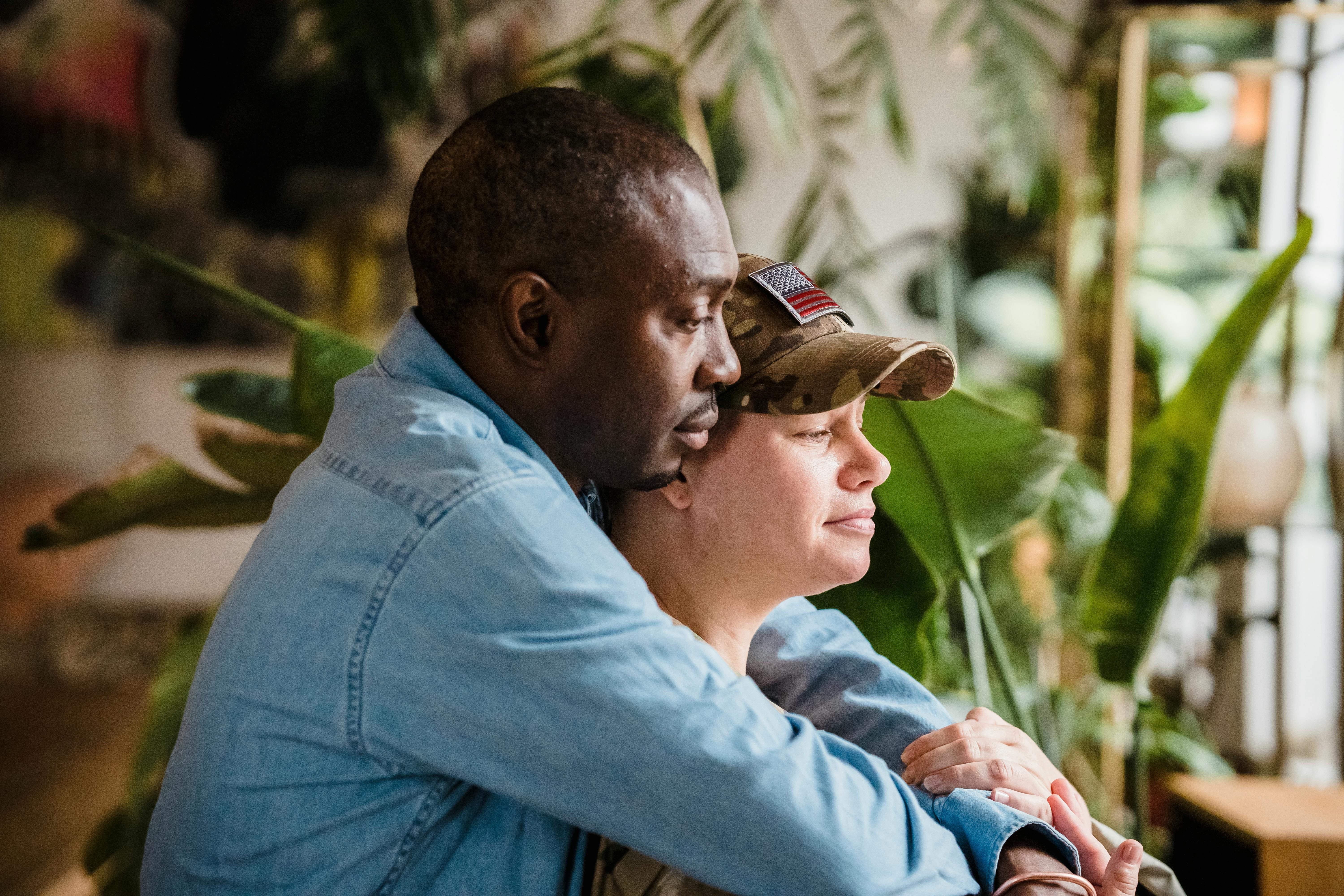
For many civilians, the hardest adjustment is realizing that military unpredictability isn’t emotional distance—it’s operational reality. When a partner goes silent or cancels plans at the last minute, it isn't a reflection of their feelings. Success in these pairings often comes when the civilian partner builds their own robust support system.
Military spouses frequently cite employment disruption as one of the hardest parts of repeated PCS moves, especially when rebuilding professional networks and finding new jobs every few years. Understanding that your partner’s career affects your own stability is a major part of the commitment.
Signs You Are Compatible With the Military Lifestyle
- Emotional Independence: You can find fulfillment and maintain a social life when your partner is away for months.
- Radical Adaptability: You can pivot when a 30-day leave is suddenly canceled or a homecoming is delayed.
- Comfort with Distance: You’re able to build intimacy through conversation and digital connection.
- Relocation Readiness: You have an open mind toward moving to new duty stations or overseas bases.
Tactical Advice for Navigating Service Life
- Manage Comms Blackouts: Establish a "blackout plan" before deployment. Agree on which family member or readiness group leader to contact if communication goes silent for an extended period.
- The "Pencil Rule" for Leave: Never write leave dates in ink. Always have a "Plan B" to avoid the emotional crash of a delayed flight.
- The Shared Calendar Strategy: Use shared digital calendars to track "windows of availability" so you aren't stuck waiting by the phone all day.
What Makes a High-Quality Military Dating Platform?
At MixerDates, we’ve noticed that long-distance readiness is the number one concern for our military users. A platform built for this community must prioritize:
- Identity Verification: Robust vetting to reduce the risk of "stolen valor."
- Scam Moderation: Active monitoring for red flags, like refusal to appear in live video calls or sudden requests for money for "leave paperwork."
- Veteran Inclusivity: A space that understands the transition from active duty to civilian life.
FAQs: Navigating the Ranks of Romance
- How do military couples successfully survive a long deployment?
Most couples survive by creating predictable communication routines, setting realistic expectations about periods of silence, and maintaining independent support systems. - What are the most common red flags for military dating scams?
Red flags include requests for money for "travel fees," a refusal to video chat due to "classified status," and requests to move to a third-party messaging app almost immediately. - Is it possible for a civilian to adjust to the military lifestyle?
Yes, but it requires a "flexibility first" mindset and an understanding that service requirements are non-negotiable.
Meet Someone Who Respects the Mission and the Person Behind It
Military life already asks you to sacrifice enough of your time and stability. Your relationship shouldn’t feel like another battle. You deserve a partner who "has your six," someone who celebrates your resilience as much as they cherish your presence.